Teaching Philosophy: Artist | Designer | Maker | Educator
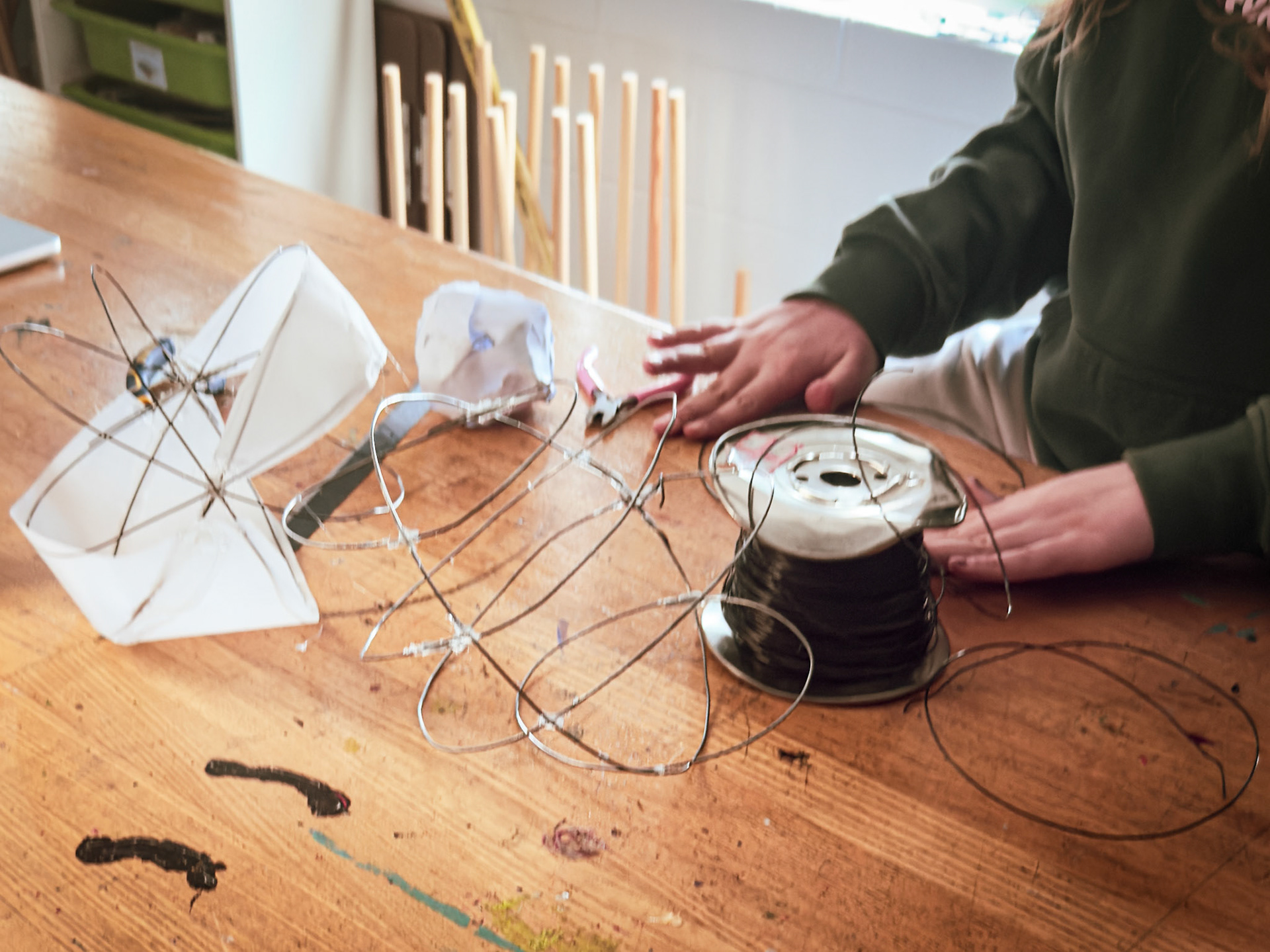
When you walk into my classroom, you will see students sitting, standing, talking or even sending an email to meet with someone from a different department to help them problem solve. You will see them engaging in the how of making. They are moving between analog and digital, documenting process, thinking through process and meaning. The energy is intentional, and the expectations are high.
My studio practice and my research, in sculpture, installation, photography, and design, and in special education, universal design, and how people learn, inform how I build that culture. How I design conditions where students choose to put in the work in and out of class. How I recognize what a student needs to find and trust their own voice. The starting place is always intentionally built environments and relationships, between students, materials, and instructor.
My teaching starts with building autonomy, putting real tools in students' hands, and creating conditions where student voice drives the work. I believe students are capable of learning art, design, and making as communication, developing rigorous tool sets to express ideas and contribute something genuine to a larger conversation that is already happening. Young people have real things to say. My job is to build the scaffolding that gets them there.
I have worked across a wide range of students, students who intentionally sought out this work and students who had the class chosen for them, students with complex learning profiles (including language-based learning differences and English language learners), students for whom making seems to come naturally and students still building their relationship to creating. Across all of them, the same thing holds: when the structure is right and the tools are in place, students do not just meet a higher level of rigor, but actively surpass their peers, adults, and themselves in what they can achieve. I have seen students who froze at a blank page become artists who write with authority about intent and chance, about the residue of making, about what it means to make something deliberately.
Building language, whether that is material knowledge, visual literacy, writing, math, or code, deepens what students can make and how clearly they can think about it. Tools extend that capacity. Mastery builds discernment.
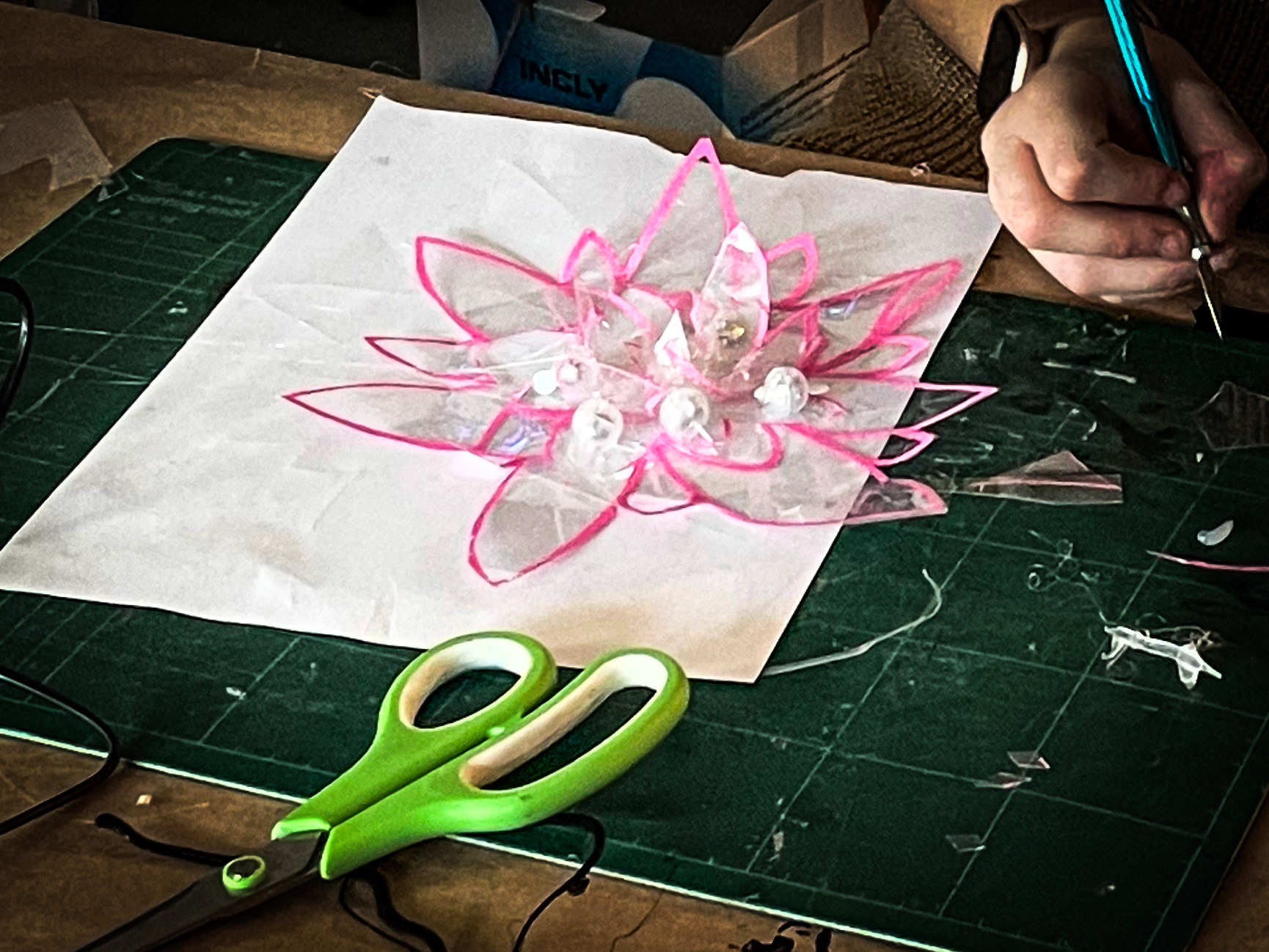
I work across analog and digital, art and design, without hierarchy between them. They inform human creation and human centered design. Clay, wood, a camera, a digital file, a laser cutter, these are different grammars for the same literacy. I teach students to move between them because that is what contemporary practice actually requires.
Generation

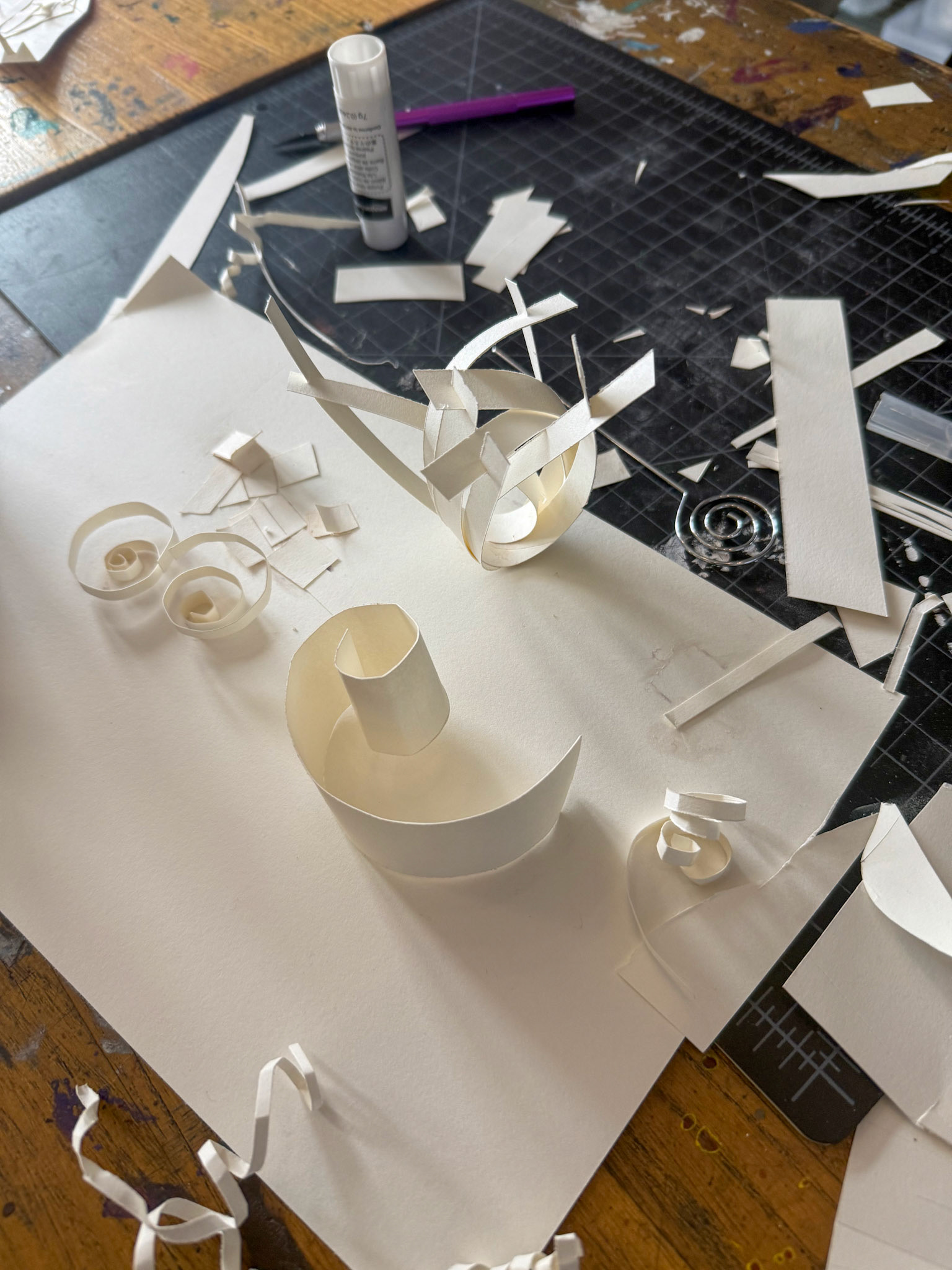
Experimentation
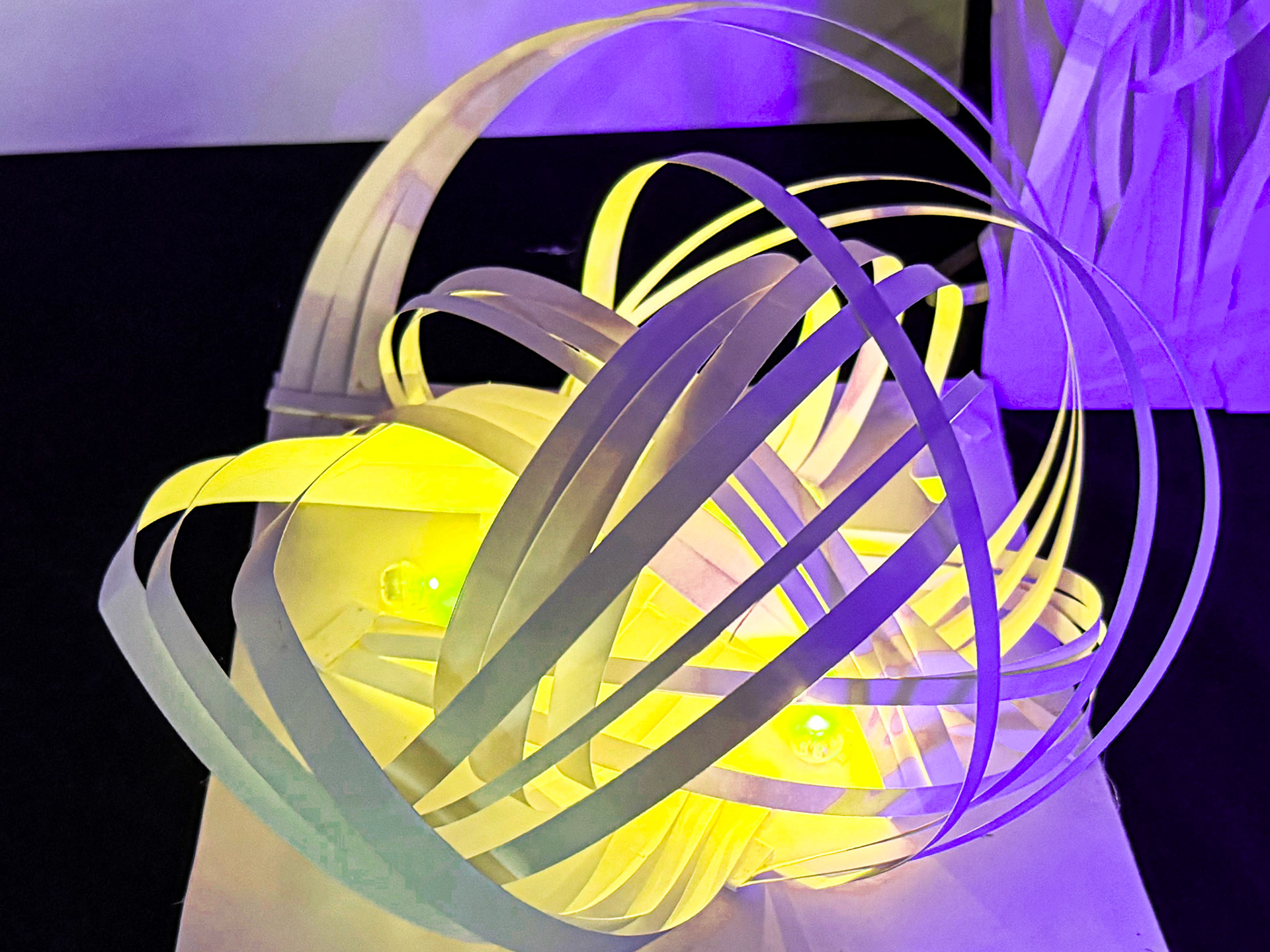
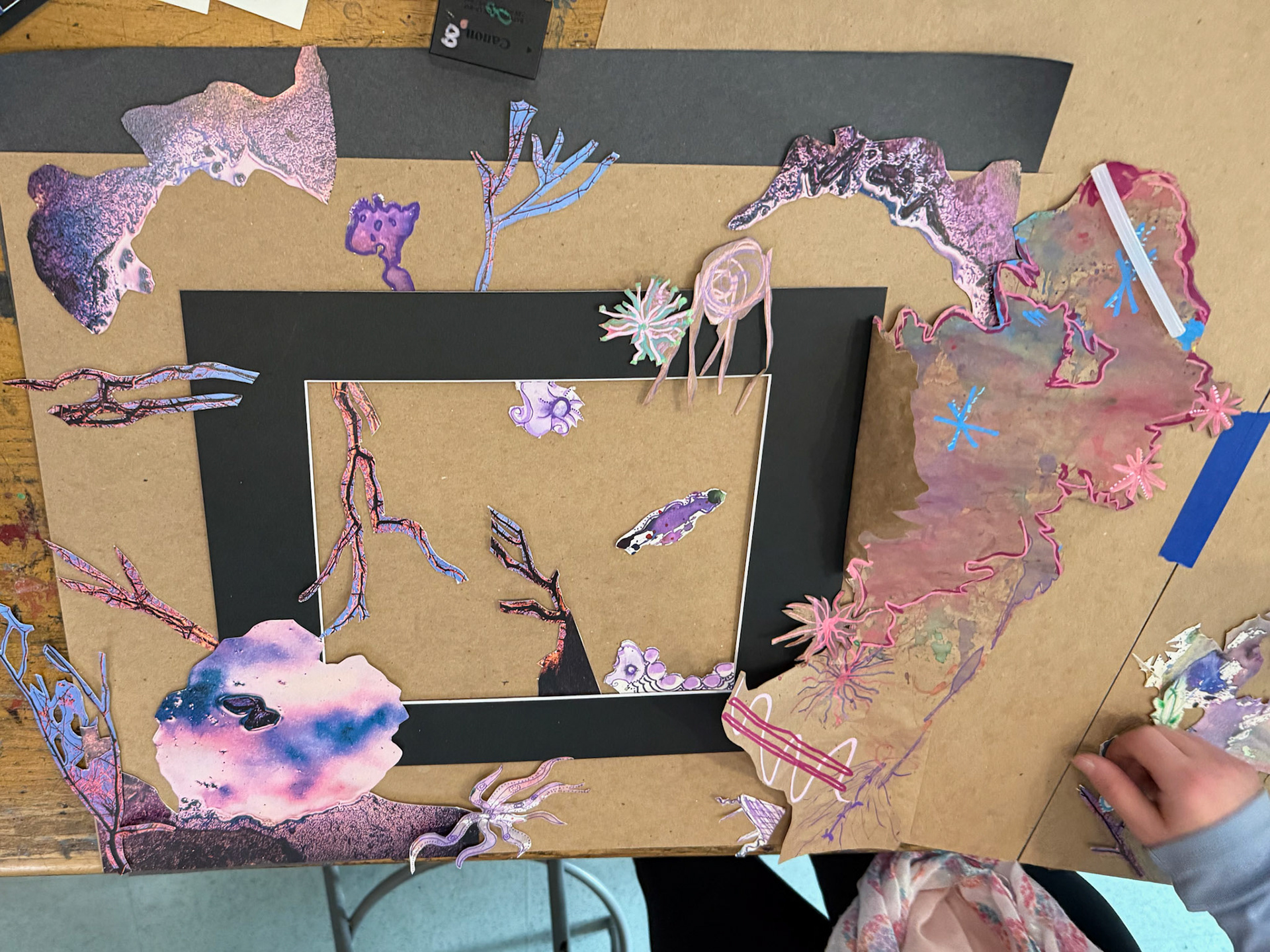
Integration
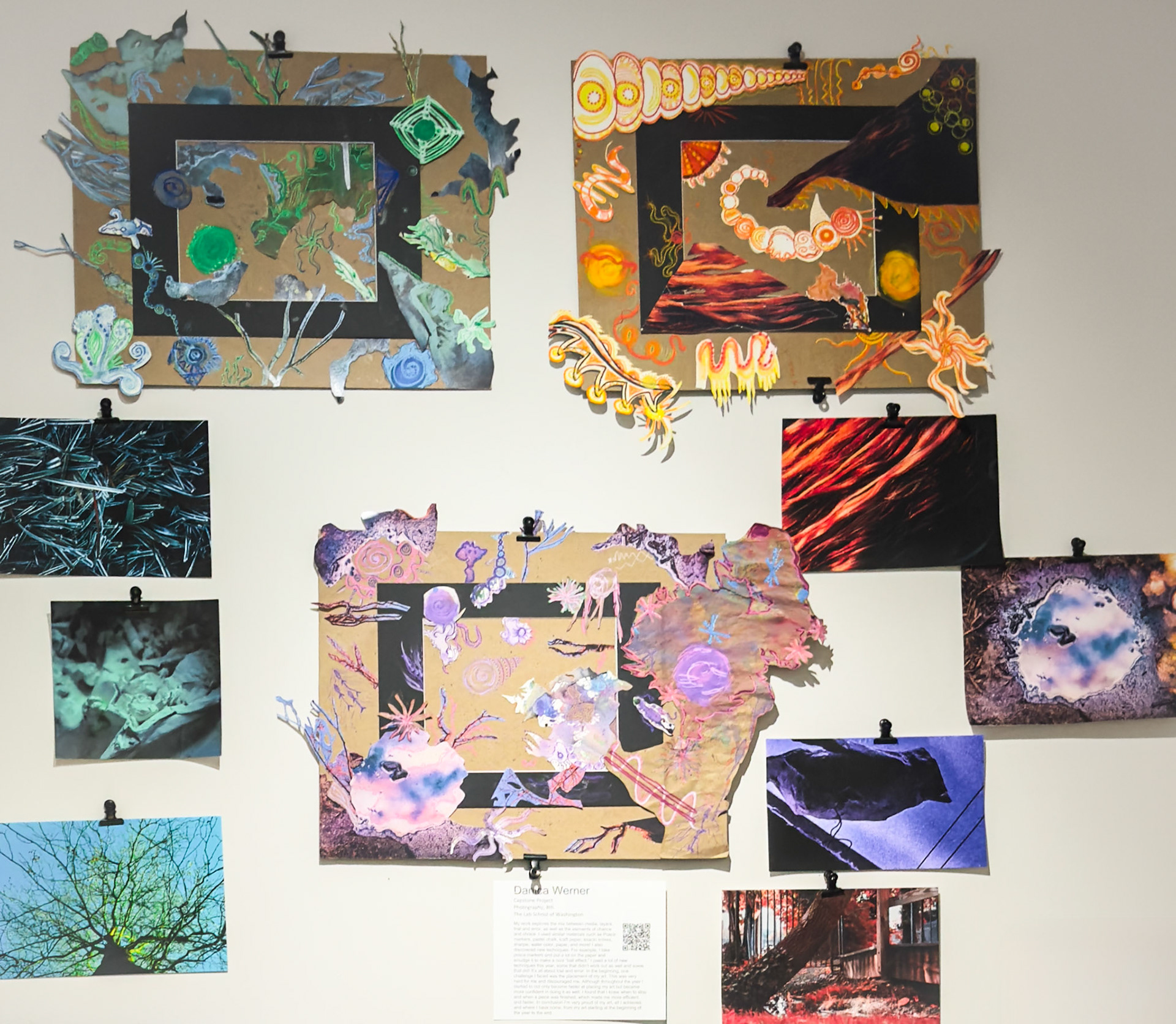
Iteration
Visual Art and Studio Practice
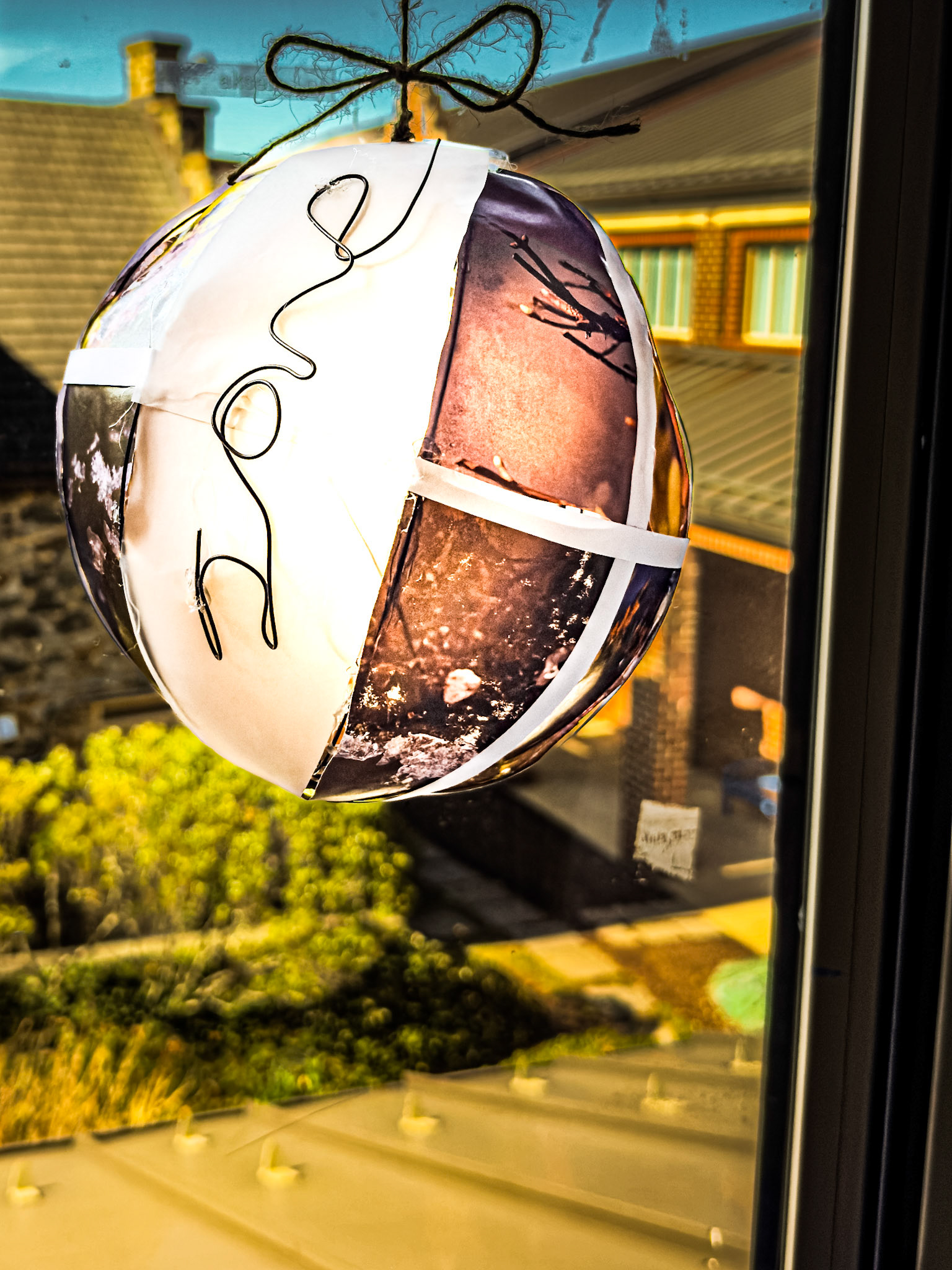
In visual art, I build environments where students develop technical fluency, material awareness, and sustained attention alongside the capacity to work through ambiguity. The Studio Habits of Mind guide instruction and reflection. Students learn how craft, persistence, experimentation, and revision function together over time, not as separate steps but as a continuous practice.
Students master industry-standard studio practices: safe tool use, material care, setup and breakdown, responsible shared space management. These are not housekeeping. They are professional literacies. Students take increasing ownership through student-led critique, self-directed revision, and exhibition planning. They learn how artists document process, articulate intent, and present work publicly. I support students in applying to exhibitions, juried shows, and external opportunities, giving them early experience with professional expectations and selection processes. Art is taught as a disciplined practice that extends directly into real cultural contexts.
The Pedagogy of the Lens
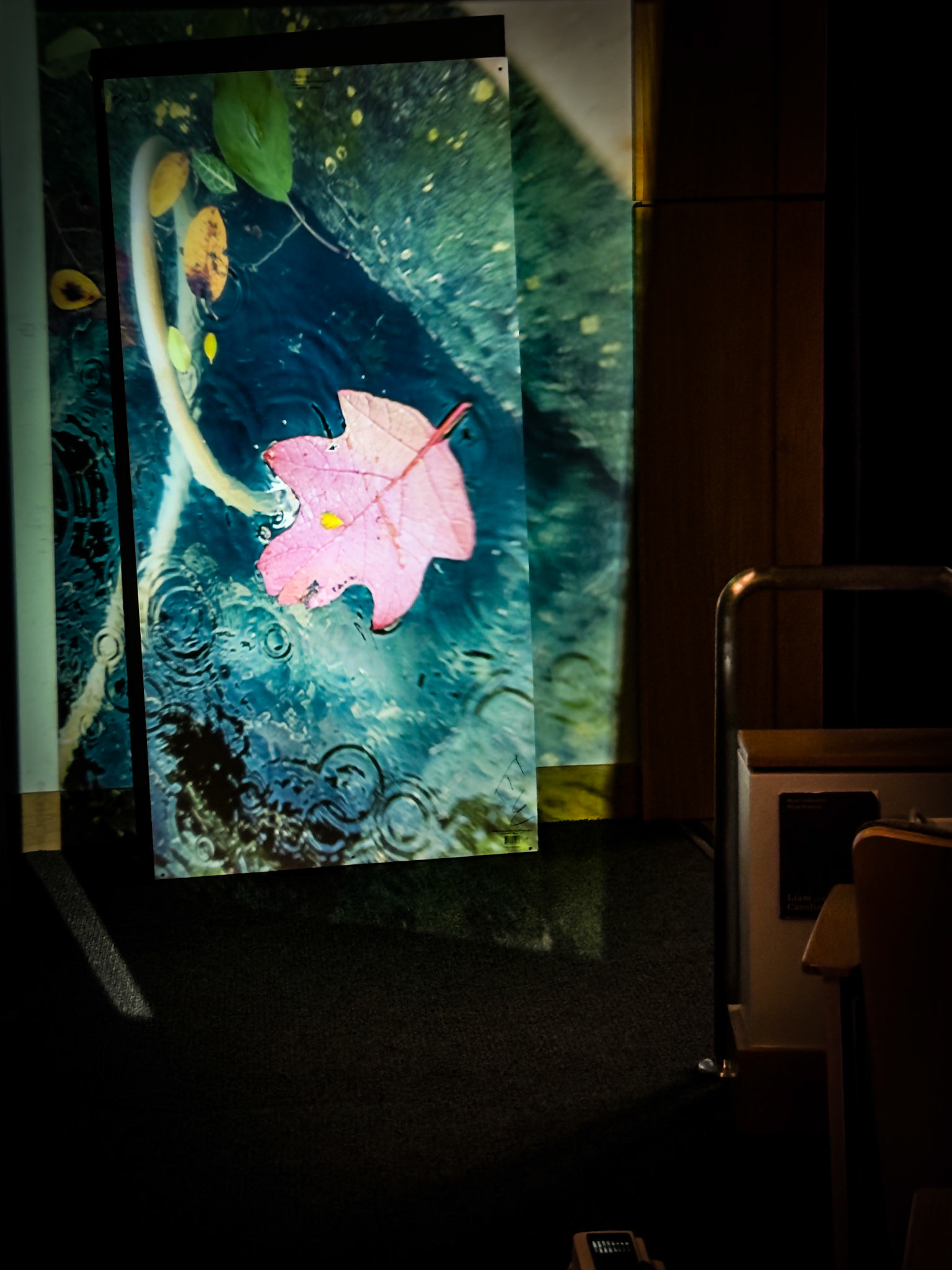
In photography, I teach students to see with intention before they engage the camera. Instruction covers camera operation, exposure control, focus systems, lens choice, lighting, and professional file management using non-destructive workflows. The Studio Habits of Mind support photographic practice through observation, persistence, reflection, and craft.
Students learn to work ethically with people, environments, and images, addressing consent, representation, and context as core to the practice, not as add-ons. The Elements and Principles of Design are applied to composition, sequencing, and editing so that photographs function as cohesive visual statements. Students engage in portfolio development, editing reviews, and presentation. They learn how photographers select, sequence, caption, and submit work. Photography is framed as a professional practice grounded in judgment, responsibility, and focused attention.
Principles and Practice of Strategic Design
In design, I focus on clarity, hierarchy, and audience awareness. Design thinking structures the work from problem framing through prototyping, testing, and revision. Students learn to interpret briefs, define constraints, and evaluate solutions based on how they function for real people in real contexts.
The Elements and Principles of Design are core tools for communication and decision making, not decoration. Students master typography, layout, color systems, and visual hierarchy through professional workflows. They develop design rationales, document iterations, and participate in critique that mirrors professional design review. Students create work intended for real audiences, and I support them in applying skills to design competitions, showcases, and external opportunities. Design is taught as an active practice that balances creativity, clarity, ethics, and impact.
Design Technology and Innovation
In Design Technology, I teach the screen-to-machine pipeline, where digital intent must be translated into physical or interactive reality. Instruction bridges digital fabrication, including laser cutting, CNC, and 3D printing, with User Interface design, emphasizing that every design decision involves constraints, materials, and end users.
I approach computational thinking through an accessibility lens. Low-code and visual prototyping tools, including Tinkercad and block-based app builders, give all students access to the high-level logic of algorithms, conditionals, and loops without syntax as a barrier. Low-code is an entry point, and I value students developing genuine discernment alongside it, understanding how languages work, being able to read and modify code, knowing enough to make informed decisions about the tools they use. Students learn to use generative AI to increase capacity, to move faster and work through blocks, while understanding that judgment, refinement, and ethical review remain entirely theirs. The classroom operates as a professional makerspace where safety protocols, equipment stewardship, and file management are essential professional literacies.